
Drought-tolerant landscaping has become a priority for many Sacramento homeowners, but that does not mean your yard has to feel dry, plain, or unfinished.
A well-designed water-wise landscape can still feel full, polished, and inviting. The key is choosing the right layout, materials, plants, and irrigation plan so the yard looks good while using water more intentionally.
For homeowners in Sacramento, Roseville, Rocklin, Folsom, Granite Bay, El Dorado Hills, and nearby areas, drought-tolerant landscaping is not just about removing grass. It is about creating an outdoor space that works with the local climate and still feels like part of the home.
Start With the Full Design, Not Just the Plants
A common mistake homeowners make is thinking drought-tolerant landscaping starts and ends with plant choice. Plants matter, but the full layout matters more.
Before choosing what to plant, it helps to look at the entire yard. Where does the lawn make sense? Where could rock or mulch be used? Where does the yard need walkways, patios, seating areas, shade, or privacy?
A strong design will balance hardscape, planting, lawn, and ground cover so the yard feels intentional. Without a plan, water-wise landscaping can start to look patchy or pieced together.
Use Lawn Where It Has a Purpose
Drought-tolerant landscaping does not always mean removing every section of grass. In some yards, lawn still makes sense, especially for kids, pets, or open green space.
The goal is to make lawn intentional.
Instead of having large areas of grass that are difficult to maintain, many Sacramento homeowners choose to keep lawn in the areas they actually use and replace the rest with rock, mulch, planting beds, walkways, or patio space.
This approach keeps the yard functional while reducing unnecessary maintenance and water use.
Choose Ground Cover Carefully
Ground cover plays a major role in water-wise landscaping. Rock, gravel, mulch, bark, and river rock can all help define the yard and reduce exposed dirt.
The right ground cover makes the landscape look cleaner and more finished. It also helps separate planting areas, walkways, patios, and lawn.
Rock can work well in modern or low-maintenance designs. Mulch can give planting beds a softer, more natural look. Gravel and river rock can help with texture and drainage when used correctly.
The best choice depends on the home, the yard, and the overall design.
Pick Plants That Fit the Sacramento Climate
For drought-tolerant landscaping in Sacramento, plant selection matters. The plants need to fit the amount of sun, shade, soil, and space available.
Good water-wise planting often uses a mix of shrubs, grasses, trees, and accent plants. The goal is to create texture, color, and structure without relying on plants that need constant watering to look good.
Plants should also be placed with their mature size in mind. A yard may look good right after installation, but if plants are too crowded or placed in the wrong area, they can become harder to manage later.
A water-wise yard should be designed to look good now and continue improving as the landscape grows in.
Add Hardscape for Structure
Hardscape is one of the best ways to make a drought-tolerant yard feel finished.
Concrete patios, paver areas, stepping stones, walkways, retaining walls, boulder features, and seating areas all help create structure. They also make the yard more usable.
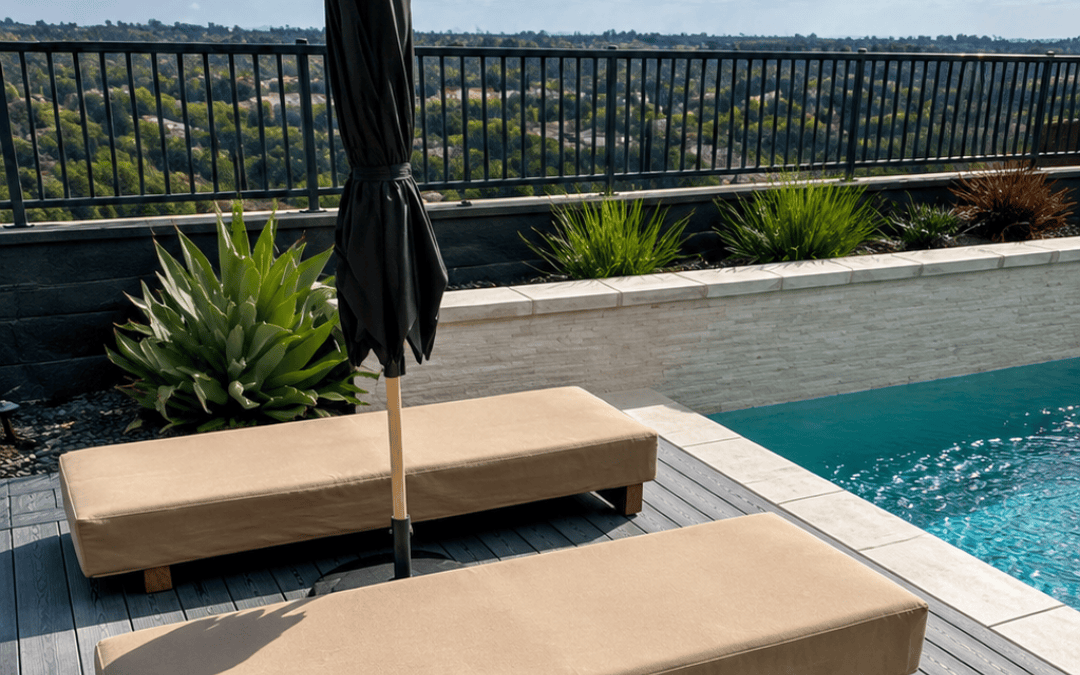
For Sacramento-area homes, hardscape can reduce the amount of space that needs regular watering while creating areas for outdoor living. A patio, walkway, or poolside area can make the yard feel more complete and easier to enjoy.
The key is making sure the hardscape connects with the rest of the yard. It should not feel dropped into the space. It should support the layout and make the yard easier to use.
Plan Irrigation the Right Way
A drought-tolerant yard still needs the right irrigation plan. Water-wise landscaping is not about ignoring water completely. It is about using water where it is needed most.
Different areas of the yard may need different watering setups. Trees, shrubs, lawn, and planting beds do not all need the same amount of water. A good irrigation layout helps support the landscape without overwatering some areas and underwatering others.
Drip irrigation can often be a good option for planting beds because it directs water closer to the roots. Lawn areas may need a separate plan. The important part is making sure the irrigation system matches the design of the yard.
Use Shade to Help the Yard Feel Better
Shade can make a big difference in a Sacramento yard. Trees, pergolas, patio covers, and taller planting can help make outdoor areas more comfortable during hot months.
Shade also helps soften the look of a yard. A water-wise landscape with no shade can feel too exposed, especially in summer. Adding trees or covered areas can make the space feel more established and easier to enjoy.
When shade is planned into the design, the yard feels less harsh and more livable.
Avoid Making the Yard Feel Too Bare
Some drought-tolerant yards look unfinished because too much grass is removed without adding enough structure back in.
A yard full of rock with a few scattered plants can feel empty. A better design uses layers: hardscape, planting, boulders, trees, mulch, lawn, and defined edges.
The goal is balance. A water-wise yard should still have shape, texture, and movement. It should feel clean and low-maintenance without feeling flat or lifeless.
Make the Yard Match the Home
A good landscape should feel like it belongs with the house.
Modern homes may look best with clean concrete, dark rock, structured planting, and simple lines. Traditional homes may feel better with softer curves, natural stone, warmer materials, and fuller planting beds.
Drought-tolerant landscaping should still support the style of the home. When the materials, colors, and layout match the property, the finished yard feels more custom and high-end.
Think Long-Term
The best drought-tolerant landscapes are designed for the long run. They are not just made to look good on the day they are installed.
A strong water-wise yard considers plant growth, irrigation, drainage, shade, maintenance, and how the homeowner will actually use the space over time.
For homeowners in Sacramento, Roseville, Rocklin, Folsom, Granite Bay, and El Dorado Hills, this matters. The local heat can quickly show which parts of a yard were planned well and which parts were not.
When the design is done correctly, the landscape feels easier to maintain and more enjoyable season after season.
Final Thoughts
Drought-tolerant landscaping in Sacramento does not have to mean giving up on a beautiful yard. With the right plan, a water-wise landscape can still feel green, polished, comfortable, and complete.
The key is creating a design that balances lawn, planting, hardscape, ground cover, shade, and irrigation. Every part of the yard should have a reason.
At Bush Landscaping, we believe water-wise landscaping should still feel like home. Whether you are updating a front yard, redesigning a backyard, adding hardscape, or creating a lower-maintenance outdoor space, a thoughtful landscape plan can help your yard look better and work better for the Sacramento climate.