
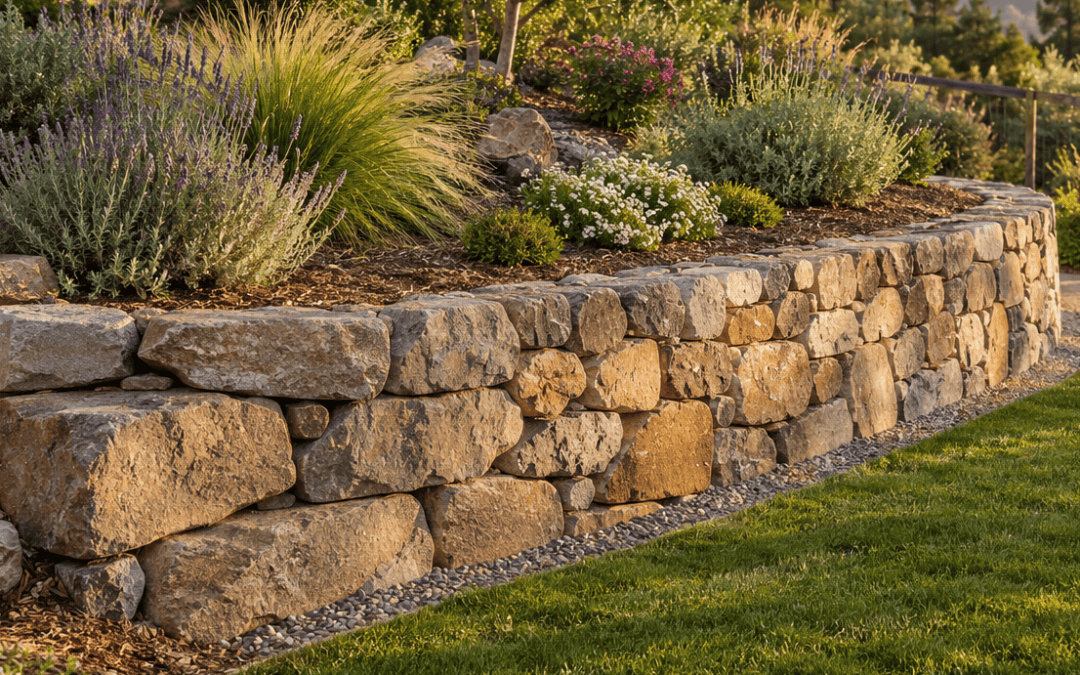
Introduction to Stacked Rock Walls in Natural Rock Gardens
Stacked rock walls stand as both an artful and practical element within natural rock gardens, offering more than just visual intrigue. These structures, thoughtfully composed by layering stones without the use of mortar, create a harmonious transition between the built environment and the organic shapes of nature. Their presence effortlessly integrates with the landscape, bringing a sense of timelessness and rugged beauty that appeals to garden enthusiasts and landscape designers alike.
At their core, stacked rock walls are designed to mimic the contours and textures found in natural outcrops, blending seamlessly into the garden’s terrain. Their construction invites creativity, as each stone is carefully selected and positioned, resulting in a unique pattern that reflects the builder’s vision. This method of wall building not only showcases the raw beauty of natural materials but also supports the organic principles that underpin rock garden design.
Beyond aesthetics, these walls serve a multitude of practical functions. They can define garden boundaries, create terraced planting areas, or provide structural support on sloped sites. Additionally, the gaps and crevices between stones foster microhabitats for small plants and beneficial insects, enhancing the ecological diversity of the garden. As sustainable and enduring features, stacked rock walls represent the perfect marriage of form and function in the context of natural rock gardens, setting the stage for a landscape that is as resilient as it is visually captivating.
Enhancing Garden Aesthetics with Stacked Rock Walls
Stacked rock walls introduce a captivating visual element to any natural rock garden, seamlessly blending rugged textures with organic contours. By thoughtfully arranging stones of varying shapes and sizes, these walls create an architectural focal point that complements the intrinsic beauty of the landscape. The interplay of light and shadow across uneven stone surfaces adds depth and dimension, drawing the eye and inviting closer inspection.
Beyond mere decoration, stacked rock walls offer a sense of permanence and timelessness. Their natural hues—ranging from weathered greys to warm earth tones—harmonize effortlessly with surrounding greenery, blooming perennials, and ground covers. As seasons change, moss and lichen may settle into the crevices, further enhancing the wall’s rustic charm and reinforcing its connection to the environment.
Design Versatility
- Curved or Straight Lines: Stacked rock walls can be designed in sweeping curves or crisp, linear forms, allowing for creative customization that suits both formal and informal garden styles.
- Varying Heights and Layers: By adjusting the height and layering of stones, gardeners can craft subtle terraces or bold partitions that define spaces within the landscape.
- Integration with Plants: Crevices between rocks provide ideal pockets for alpine plants, succulents, or cascading vines, softening hard edges and weaving living color into the structure.
Ultimately, stacked rock walls serve as both practical and artistic features, elevating the visual appeal of natural rock gardens while fostering an inviting, harmonious outdoor retreat.
Durability and Longevity of Natural Rock Structures
Stacked rock walls stand as timeless monuments to strength and resilience, making them an ideal choice for natural rock gardens. One of the most compelling benefits of these structures is their exceptional durability. Unlike manufactured materials that may crack, warp, or degrade over time, natural stones possess inherent toughness, allowing them to withstand the harshest environmental conditions. Rain, wind, and extreme temperatures have little effect on well-constructed rock walls, ensuring their stability year after year.
The longevity of stacked rock walls is rooted in both the quality of the stone and the traditional methods used in their assembly. When rocks are carefully selected and expertly arranged, they interlock naturally, distributing weight evenly and minimizing points of failure. This dry-stacking technique—often used for centuries—eliminates the reliance on mortar, which can deteriorate with age. As a result, the wall remains robust, even settling gracefully with minor ground shifts instead of collapsing or cracking.
- Low Maintenance: Natural rock walls demand little upkeep, often requiring only occasional repositioning of stones or removal of encroaching vegetation.
- Eco-Friendly: Using locally sourced stones reduces the environmental impact, ensuring the wall blends seamlessly into its surroundings.
- Resistant to Pests and Rot: Unlike wood or synthetic materials, stone is impervious to insects and fungi, further enhancing its lifespan.
Ultimately, the enduring strength of stacked rock walls not only preserves the structural integrity of your garden but also adds a sense of permanence and heritage to your outdoor space, making it a lasting investment for generations to enjoy.
Eco-Friendly Benefits of Using Natural Rock in Landscaping
Natural rock has long been celebrated for its inherent beauty, but its advantages in landscaping extend far beyond aesthetics. Choosing stacked rock walls for natural rock gardens is a sustainable decision that respects the environment while delivering practical and visual rewards.
Minimal Environmental Impact
Unlike manufactured materials, natural rock requires minimal processing, which significantly reduces energy consumption and carbon emissions. Sourced locally, rocks can be harvested with little disturbance to the ecosystem, minimizing transportation-related pollution. This makes stacked rock walls a responsible choice for eco-conscious gardeners and homeowners.
Durability and Longevity
Natural rock’s durability translates directly to sustainability. Unlike wood or synthetic barriers that may degrade or require frequent replacement, rock walls can last for generations with little maintenance. This longevity means fewer resources are consumed over time, reducing the overall environmental footprint of your landscaping project.
Promoting Biodiversity
Stacked rock walls create microhabitats for beneficial insects, small mammals, and native plants. The crevices between rocks offer shelter and breeding sites, fostering increased biodiversity in your garden. By incorporating natural rock, you support a thriving, balanced ecosystem right in your backyard.
Opting for stacked rock walls in your natural rock garden not only enhances visual appeal but also provides enduring, eco-friendly benefits that support both your landscape and the environment.
Low Maintenance Advantages of Stacked Rock Walls
Stacked rock walls bring a distinctive blend of strength and simplicity to natural rock gardens, making them an ideal choice for homeowners seeking low maintenance landscaping solutions. Unlike traditional fencing or wooden borders that often require frequent repairs, repainting, or replacement, stacked rock walls offer enduring resilience. Their natural composition resists decay, pests, and weathering, ensuring long-term performance with minimal intervention.
Durability and Longevity
The inherent sturdiness of natural stone means these walls withstand the test of time. Rain, sun, and even fluctuating temperatures have little effect on their structure, eliminating the need for seasonal upkeep. Homeowners can enjoy their garden’s beauty without worrying about routine treatments or the risk of rot and insect damage that can plague other materials.
Minimal Upkeep Requirements
Stacked rock walls rarely need more than an occasional inspection to ensure stones remain in place. Should a rock shift, it can be easily repositioned without specialized tools or expertise. There’s no need for painting, staining, or sealing—common tasks with other garden borders. Weeds are less likely to penetrate well-placed rock walls, further reducing the time spent on garden chores.
Eco-Friendly Benefits
Because stacked rock walls utilize natural materials, they integrate seamlessly into their surroundings, requiring no synthetic chemicals or treatments. This sustainable approach not only minimizes maintenance but also supports a healthier garden ecosystem.
Ultimately, the low maintenance nature of stacked rock walls allows gardeners to focus more on nurturing plants and enjoying their outdoor space, rather than on time-consuming repairs and upkeep.