
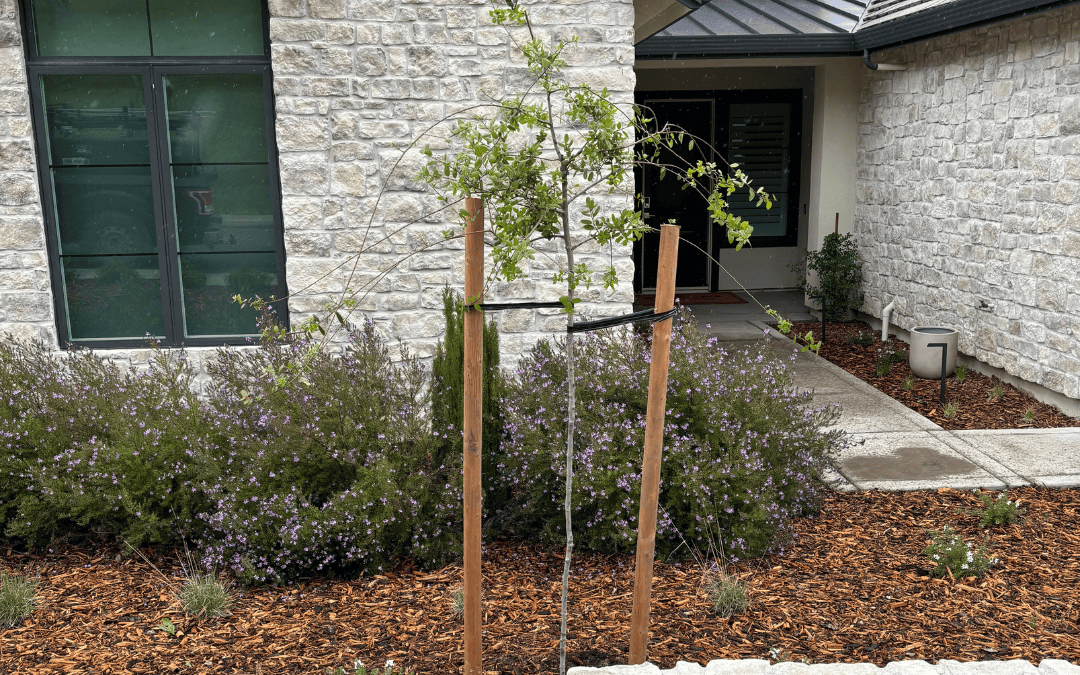
Moving into a newly built home is exciting, but for many homeowners, the backyard is the one part of the property that still feels unfinished.
You may have a beautiful new house, but outside there’s nothing but dirt, uneven ground, and a blank space waiting to be transformed.
For homeowners in Sacramento, Roseville, Rocklin, Folsom, Granite Bay, El Dorado Hills, and surrounding areas, landscaping a new construction home is an opportunity to create an outdoor space that fits the property from the very beginning.
But before installing lawn, concrete, pavers, planting, or a patio, there are a few important things to consider. The decisions made early in the process can affect how the yard looks, functions, and holds up over time.
1. Start With a Plan for the Entire Yard
One of the biggest mistakes homeowners make with new construction landscaping is installing features one at a time without considering the full layout.
Maybe you start with a concrete patio, add a lawn a few months later, and eventually decide you want a walkway, outdoor kitchen, or seating area. Each addition might look good on its own, but the finished yard can feel disconnected.
A better approach is to plan the entire space before installation begins.
Think about how you want to use your backyard. Do you want room for entertaining? A lawn for kids or pets? An outdoor dining area? A pool? A covered patio? Low-maintenance landscaping?
Once you know what the yard needs to do, it’s easier to decide where everything should go.
Even if you don’t plan to install every feature immediately, having a clear layout from the beginning can help avoid unnecessary changes later.
2. Pay Attention to Grading and Drainage
Before any landscaping materials go down, it’s important to understand how water moves through the property.
New construction yards may have compacted soil, uneven areas, or drainage patterns that need to be considered before installation.
Proper grading helps direct water away from the home and toward appropriate drainage areas. Without it, homeowners may run into problems such as standing water, muddy lawns, pooling near patios, or erosion around planting beds.
Drainage should be addressed before installing concrete, pavers, lawn, or other finished materials.
This is especially important in the Sacramento area, where long, dry summers are followed by periods of winter rain.
A good landscape installation starts with what happens beneath the surface, not just what the finished yard will look like.
3. Decide Where Concrete and Hardscape Should Go
Hardscape is often one of the first major decisions when landscaping a new construction backyard.
Concrete patios, pavers, walkways, stepping stones, retaining walls, and seating areas help define how the outdoor space will function.
Before installing hardscape, consider how people will move through the yard.
Where will you step outside from the house? How will you access the lawn? Will you need a walkway to the side gate? Is there enough space for patio furniture or an outdoor dining table?
A patio that’s too small may limit how the space can be used, while a patio placed in the wrong area can interrupt the natural flow of the yard.
The goal is to create a layout where the hardscape feels like an extension of the home rather than a separate feature.
For homeowners in Roseville, Rocklin, and Folsom, where many newer neighborhoods have similar backyard layouts, thoughtful hardscape placement can help make a property feel more customized.
4. Plan Irrigation Before Installing Lawn and Plants
Irrigation is another important part of new construction landscaping.
A new backyard may need an entirely new irrigation system, depending on what the builder included.
It’s important to plan where lawn, trees, shrubs, and planting beds will go before installing sprinkler lines or drip irrigation.
Different areas of the yard have different watering needs. A lawn may require one type of irrigation, while planting beds and trees may benefit from a different setup.
For Sacramento homeowners, this matters because of the region’s hot, dry summers.
A properly planned irrigation system can help support healthy plant growth, reduce unnecessary water use, and make the landscape easier to maintain long-term.
It’s much easier to plan irrigation alongside the landscape than to make major changes after everything has been installed.
5. Decide How Much Lawn You Actually Need
A large green lawn can look beautiful, but it isn’t always the best use of the entire backyard.
Before installing sod, consider how much grass your household will realistically use.
Families with kids or pets may want a larger open lawn. Homeowners who prefer entertaining may benefit from more patio space and less grass. Others may want a balance of lawn, planting beds, and low-maintenance ground cover.
For new construction homes in Sacramento, a thoughtful combination of lawn, concrete, rock, mulch, and planting can create a backyard that feels green without requiring every square foot to be watered and maintained.
The goal is not necessarily to eliminate lawn. It’s to put it where it makes sense.
6. Choose Plants That Work With Sacramento’s Climate
Plant selection plays a big role in how a new landscape looks over time.
New construction yards often lack established trees or mature landscaping, which means the planting design needs to account for how everything will grow.
A combination of trees, shrubs, ornamental grasses, and flowering plants can add privacy, shade, texture, and color.
However, choosing plants based only on how they look at the nursery can lead to problems later.
Plants should be selected based on sun exposure, soil conditions, mature size, water requirements, and the amount of maintenance the homeowner wants.
For Sacramento-area properties, drought-tolerant and climate-appropriate planting can be a smart option when paired with proper irrigation.
A good planting plan should help the yard look more established as it grows without becoming overcrowded.
7. Don’t Forget Privacy and Shade
One thing homeowners often notice after moving into a new construction home is how exposed the backyard can feel.
Newer neighborhoods may have limited mature trees, neighboring two-story homes, and fences that provide privacy at ground level but not from upper windows.
This makes privacy and shade important considerations during the planning stage.
Trees, layered planting, privacy hedges, pergolas, and covered seating areas can all help create a more comfortable outdoor space.
Placement matters, especially in smaller yards.
A well-positioned tree can help soften the view of a neighboring home while adding natural shade. Thoughtful planting can make a fence line feel less bare without taking up too much usable space.
When privacy is considered from the beginning, the finished backyard can feel more comfortable and established.
8. Use Rock, Mulch, and Ground Cover With Intention
Ground cover is an important finishing element, but it should also serve a purpose within the landscape.
Mulch can help planting beds retain moisture and give the yard a softer, more natural appearance.
Decorative rock and gravel can add texture, define spaces, and create a cleaner look in certain areas.
Boulders and natural stone can provide structure and visual interest, especially in larger yards or properties with changes in elevation.
The key is balance.
A yard filled entirely with rock may feel too bare, while too many different materials can make the space look busy.
A well-designed landscape uses materials that complement the home and create a consistent look throughout the property.
9. Plan for Any Future Outdoor Features
You may not be ready to install a pool, outdoor kitchen, fire pit, pergola, or additional patio space right away, but it’s worth considering those possibilities before landscaping begins.
For example, if you eventually want a pool, you may need to preserve equipment access through the side yard.
If you’re planning an outdoor kitchen, electrical, gas, or plumbing needs should be considered before installing surrounding hardscape.
Even something as simple as a future seating area can affect where lawn, irrigation, and planting beds should go.
Thinking ahead can help prevent unnecessary demolition or reworking of finished landscaping later.
10. Understand HOA and Local Requirements
Many new construction neighborhoods have homeowners associations with landscaping guidelines.
These may include requirements for planting, fencing, trees, approved materials, landscape completion deadlines, or design approval.
Depending on the location and scope of the project, local permits and water-efficient landscaping requirements may also apply.
Before starting, homeowners should review any HOA guidelines and confirm applicable requirements with their city or county.
This is especially important for larger hardscape projects, retaining walls, irrigation work, and permanent outdoor structures.
Getting these details sorted out early can help prevent delays once installation begins.
11. Think About Maintenance Before Choosing Materials
A beautiful new backyard should also be practical to maintain.
Before choosing landscaping materials, think about how much time you want to spend caring for the yard.
A large lawn needs regular mowing and irrigation. Planting beds require care as plants become established. Mulch may need refreshing, while rock areas may require occasional cleanup.
Wood features, patios, and other hardscape materials also have different long-term maintenance needs.
A low-maintenance yard doesn’t mean a yard with no maintenance. It means choosing a layout and materials that fit your lifestyle.
For Sacramento homeowners, this can make a big difference during the hotter months when landscaping needs more attention.
12. Choose a Landscaper Who Looks at the Whole Project
Landscaping a new construction home involves more than installing grass and plants.
A complete project may include grading, drainage, irrigation, concrete, pavers, retaining walls, walkways, planting, ground cover, and finishing details.
These elements need to work together.
When choosing a landscape contractor in Sacramento, look for someone who considers the entire property rather than focusing on individual features.
Ask about the installation process, material choices, drainage, irrigation, and how the project will be organized from start to finish.
A thoughtful plan and proper preparation are just as important as the finished appearance.
What Is the Best Order for Landscaping a New Construction Home?
While every property is different, most complete landscaping projects follow a general sequence:
- Plan the layout: Decide where patios, walkways, lawn, planting beds, and outdoor features will go.
- Prepare the property: Address debris, soil conditions, necessary grading, and drainage.
- Install underground systems: Complete required irrigation, drainage piping, and other planned utilities.
- Build the hardscape: Install concrete, pavers, walkways, retaining walls, or other structural features.
- Prepare planting areas: Improve the soil where appropriate and establish planting bed boundaries.
- Install lawn and plants: Add sod, trees, shrubs, and other landscape materials.
- Finish the details: Complete mulch, decorative rock, edging, cleanup, and final irrigation adjustments.
The exact order may change depending on the project, but planning these steps together helps the installation move more smoothly.
Final Thoughts
Landscaping a new construction home is an opportunity to create an outdoor space that feels complete from the very beginning.
Instead of adding features randomly over time, a well-planned design considers the full property: layout, drainage, irrigation, hardscape, lawn, planting, shade, privacy, and long-term maintenance.
For homeowners in Sacramento, Roseville, Rocklin, Folsom, Granite Bay, El Dorado Hills, and surrounding areas, taking the time to plan before installing can make a major difference in the final result.
At Bush Landscaping, we believe a great landscape starts with a solid plan and proper preparation. Whether you’re starting with a bare dirt backyard or planning a complete front and backyard installation, our goal is to create an outdoor space that feels intentional, functional, and built for the way you live.
Just moved into a new construction home in the Sacramento area? Contact Bush Landscaping to discuss your landscape installation project and start planning a yard that feels like an extension of your home.