
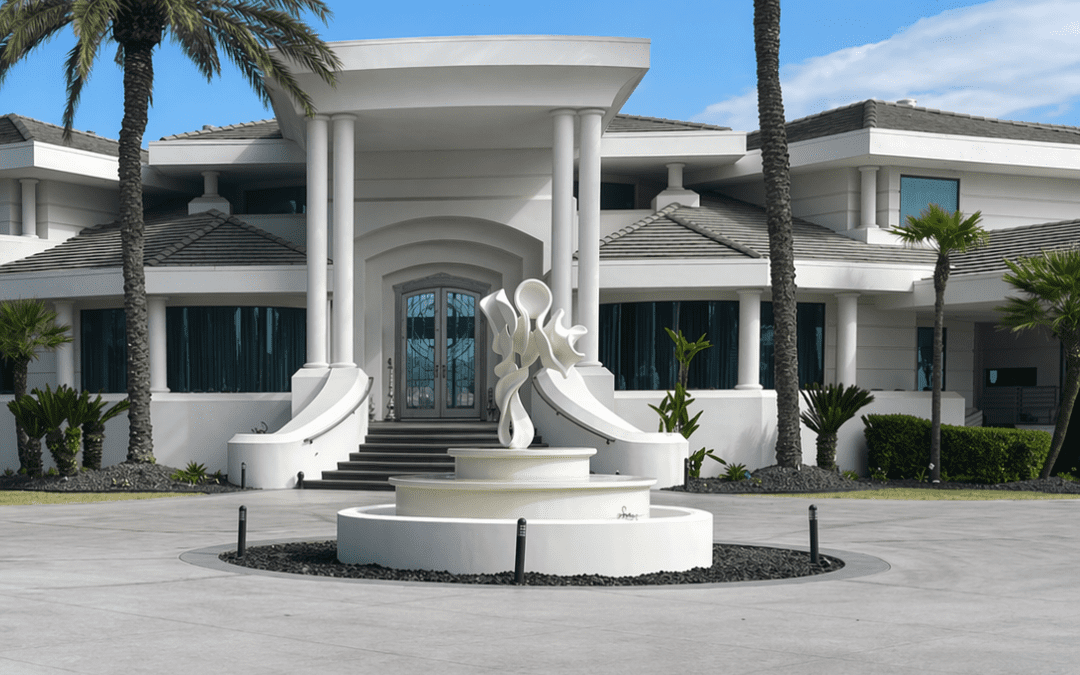
Hardscape installation is one of the biggest parts of building an outdoor space that feels complete. It gives a yard shape, creates usable areas, and helps tie the whole property together in a way planting alone cannot.
When people think about landscaping, they often picture trees, shrubs, and lawn first. But in many projects, the hardscape is what really sets the foundation. Patios, walkways, paver areas, borders, retaining features, gravel sections, and other built elements are what give the yard structure and make it easier to use every day.
For homeowners planning an outdoor project, it helps to understand what hardscape installation actually involves and why it matters.
Hardscape Is What Gives the Yard Its Framework
A backyard can have good planting and still feel unfinished if there is nothing grounding the layout. Hardscape gives the space its framework. It creates the surfaces, transitions, and defined areas that make the yard feel more thought through.
That might mean a patio for outdoor seating, a walkway that connects one part of the yard to another, or gravel and borders that help separate materials and keep the layout organized. These are the features that make a yard feel more built out instead of open and undefined.
A Good Hardscape Install Starts With the Layout
Before materials ever go in, the layout has to make sense. One of the biggest parts of a successful hardscape install is deciding how the space should flow and how each feature connects to the rest of the property.
That includes questions like:
- Where should the main patio go?
- How should people move through the yard?
- Where do transitions between materials make the most sense?
- Which areas need more structure?
- What should feel open and what should feel defined?
When the layout is right, the yard feels balanced and easier to use. When it is not, even quality materials can still feel disconnected.
Prep Work Matters More Than Most People Realize
A lot of what makes a hardscape installation hold up well is the work that happens before the finished surface is even visible. Proper prep is what helps patios stay level, walkways sit right, and materials hold up over time.
That stage can include:
- Clearing existing materials
- Grading and leveling
- Building the proper base
- Addressing drainage
- Setting edges and boundaries
- Preparing the site for installation
This is one of the most important parts of the project. If the prep work is rushed or done poorly, the finished result usually does not perform the way it should.
Hardscape Helps Create More Usable Space
One of the biggest reasons homeowners invest in hardscape is because it makes the yard more useful. A patio creates a place to gather. A path makes it easier to move through the property. A defined area for seating, dining, or outdoor living gives the yard a real purpose.
Without those features, a lot of yards feel like open space without a clear use. Hardscape changes that by creating places where people can actually spend time and enjoy the property more.
The Right Materials Make a Difference
Material choice has a big impact on how the finished yard comes across. Pavers, concrete, stone, gravel, and borders all bring a different look and feel to the project.
The right choice depends on the style of the home, how the space will be used, and how the different parts of the yard need to work together. A good installation is not just about putting in quality materials. It is about choosing materials that fit the property and make sense for the overall design.
Hardscape and Planting Should Work Together
A strong outdoor space is not all hardscape and it is not all planting. The best results come when both sides work together.
Hardscape gives the yard shape and definition. Planting softens the space and adds texture, color, and contrast. When they are planned together, the yard feels more complete. When they are treated separately, the project can start to feel pieced together.
That is why a well-done hardscape install should always consider how planting, mulch, rock, and other landscape elements will connect to it.
Drainage Should Never Be Overlooked
Drainage is a big part of hardscape installation, especially when adding surfaces that change how water moves through the yard. If drainage is not handled correctly, it can create problems later for both the hardscape and the surrounding landscape.
A proper install should take slope, runoff, and water movement into account from the beginning. That helps protect the finished project and supports better long-term performance.
A Well-Built Hardscape Install Adds More Than Appearance
A good hardscape project does improve how the yard looks, but that is only part of the value. It also changes how the yard gets used, how it connects to the home, and how complete the whole property feels.
That is why homeowners often notice such a difference after these projects are done. The yard is not just more attractive. It feels more established, more organized, and easier to enjoy.
Final Thoughts
Hardscape installation is a major part of creating an outdoor space that feels finished and well planned. From patios and walkways to borders, gravel areas, and built features, these elements are what give the yard its structure and make it more usable.
The best hardscape installs start with a strong layout, proper prep work, the right materials, and a clear plan for how everything will come together.
At Bush Landscaping, we believe the hardscape side of a project should do more than fill space. It should help create an outdoor area that fits the property, holds up well, and gives homeowners a yard they can truly enjoy.