
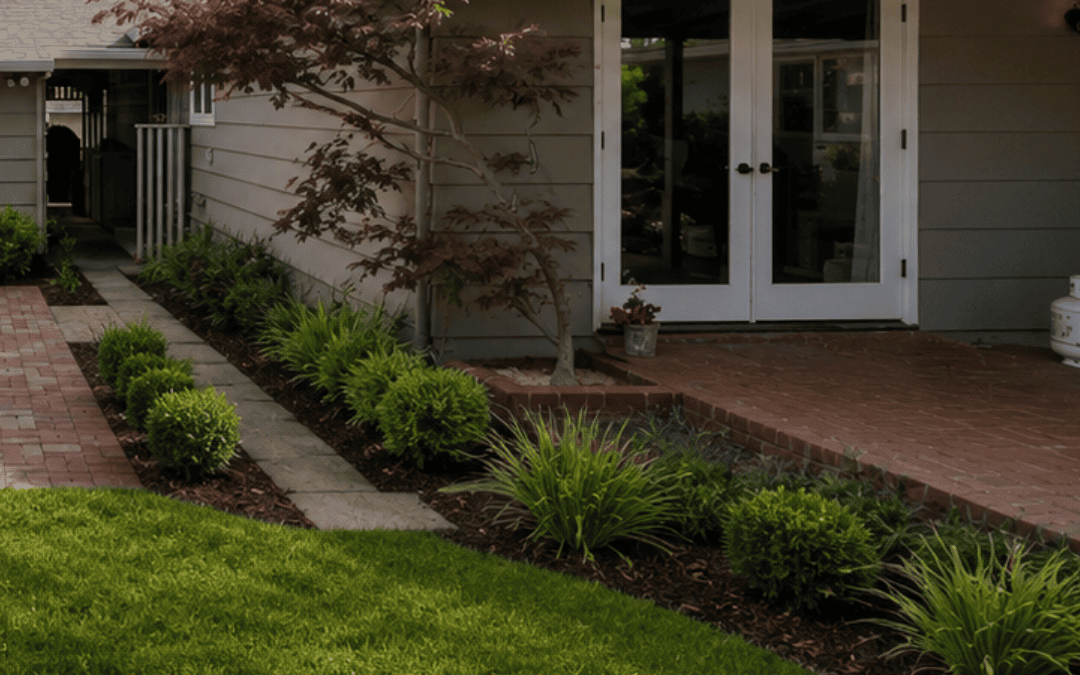
A new landscape can look great the day it is finished. Fresh mulch, clean edges, new planting, updated hardscape, and open space all make a big difference right away.
But the real test comes later.
A yard should still look good after the first few weeks. It should still feel clean, organized, and well-planned after the materials settle, the weather changes, and the plants start to grow in. That is where good landscape installation makes a difference.
For Sacramento homeowners, it is not enough for a yard to look finished on day one. The yard needs to be built in a way that helps it keep its shape, handle the heat, and continue looking intentional over time.
Start With a Strong Layout
A yard that holds its look starts with the layout. Before plants, mulch, rock, or concrete go in, there needs to be a clear plan for how the space is going to come together.
That means looking at the shape of the yard, how people move through it, where the main focal points should be, and how each area connects. If the layout is weak, the yard can start to feel messy or unfinished once the first clean-up effect wears off.
A strong layout gives the yard structure from the start. It keeps the space from feeling random and helps every section feel like it belongs.
Choose Materials That Make Sense for the Property
Material choice matters more than most homeowners realize. Concrete, pavers, gravel, mulch, river rock, stone, and planting all affect how the yard looks once it has had time to settle.
The right materials should fit the style of the home, the size of the yard, and the way the space will be used. If materials are chosen just because they look good in the moment, they may not hold the same look over time.
A yard usually looks better longer when the materials feel consistent, intentional, and appropriate for the space.
Do Not Leave Too Much Exposed Soil
Open soil is one of the fastest ways for a yard to lose its clean look. It can dry out, shift, grow weeds, and make the landscape feel unfinished.
That is why ground cover is so important. Mulch, decorative rock, and gravel help finish planting areas and protect the look of the yard after the install is complete.
In Sacramento, where heat and dry weather can be tough on exposed beds, proper ground cover helps the yard stay cleaner and more pulled together.
Give Planting Room to Grow In
A good yard does not always look completely full on the first day, and that is okay. Plants need room to grow. The important part is placing them with the future in mind.
If plants are spaced too far apart, the yard can look bare for too long. If they are packed too tightly, the space can become overcrowded and harder to manage later.
Good planting takes balance. The layout should look intentional right away, but it should also allow the landscape to mature in a way that still looks clean and controlled.
Use Edging and Bed Lines to Keep the Yard Defined
Clean bed lines are one of the details that help a yard keep its shape. Without clear edges, mulch can spread, rock can move, lawn can creep into planting areas, and the whole space can start to lose definition.
Defined edges help separate materials and keep each area looking intentional. They also make the yard feel more finished from the street, from the patio, and from above.
This is one of those details people may not notice first, but they definitely notice when it is missing.
Make Hardscape Part of the Overall Plan
Hardscape gives a yard structure. Patios, walkways, concrete pads, pavers, retaining areas, and borders help organize the space and create stronger transitions.
A yard with good hardscape usually holds its look better because the main lines of the space are built in. The design is not relying only on plants or mulch to carry the whole yard.
When hardscape and planting are planned together, the finished space feels more complete and stays that way longer.
Think About Irrigation Early
A yard that looks good past the first month needs the right watering setup. Even the best plant selection can struggle if the irrigation is not planned correctly.
Water should be directed where it needs to go, not wasted on areas that do not need it. Overspray, dry spots, and uneven watering can all create problems after the project is done.
Good irrigation planning helps support the landscape and keeps the yard from looking stressed once the weather heats up.
Build Around How the Yard Will Actually Be Used
A yard should not just look good in photos. It should make sense for the people living there.
That means thinking about seating, walking paths, pool areas, side yards, shade, privacy, and how the homeowner actually wants to use the space. When those things are considered during the install, the yard has a better chance of staying useful and enjoyable.
A pretty yard that does not match real life usually loses its value quickly. A well-planned yard keeps working because it was built with daily use in mind.
Avoid the Pieced-Together Look
One reason some yards only look good for a short time is because the project feels pieced together. A little rock here, a few plants there, a walkway added later, and a random open area left untouched can make the whole space feel disconnected.
A stronger install looks at the entire yard. Even if the project is done in phases, there should still be a plan behind it.
When every section supports the bigger picture, the yard feels more complete and stays stronger visually over time.
Final Thoughts
A yard that looks good past the first month starts with better planning. It is not just about fresh materials or new plants. It is about layout, ground cover, hardscape, irrigation, bed lines, plant spacing, and how the whole space comes together.
For Sacramento homeowners, this matters even more because yards have to handle heat, regular use, and changing seasons. The right install helps the space keep its shape and continue adding value long after the first day is over.
At Bush Landscaping, we believe a finished yard should still feel finished after the