
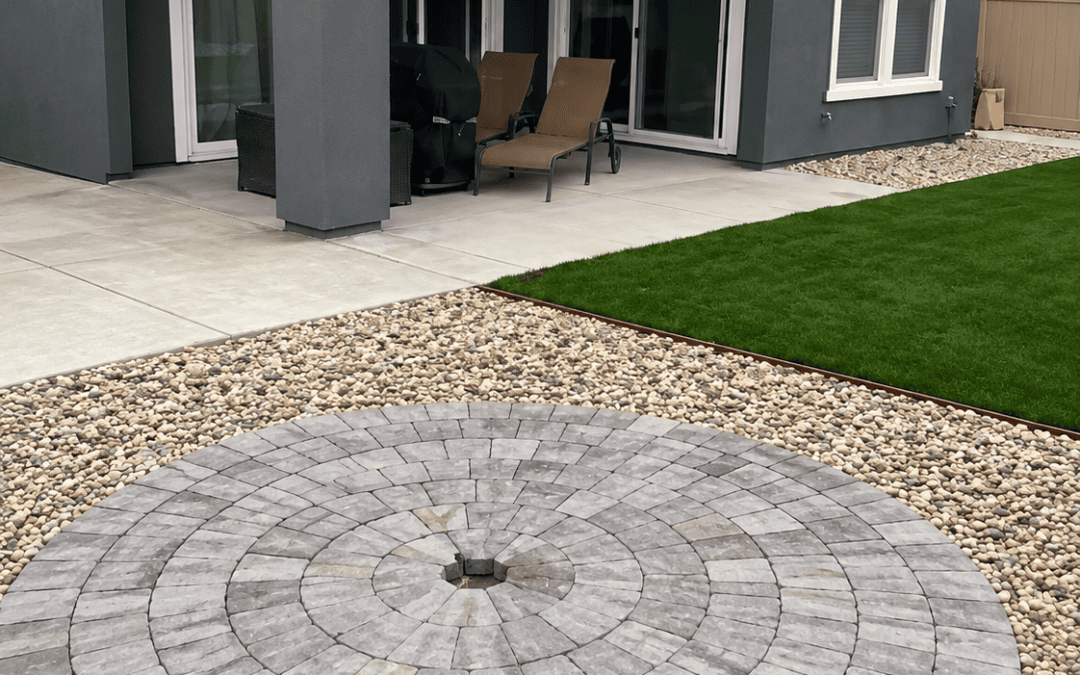
A lot of homeowners want a yard that uses water more wisely, especially during Sacramento summers. But many people worry that a water-conscious landscape will feel too dry, too plain, or too empty.
That does not have to be the case.
A smart landscape can still feel green, full, and well-designed without relying on excessive water use. The key is choosing the right layout, materials, plants, and irrigation setup from the beginning. A water-conscious yard should not look like an afterthought. It should feel intentional, balanced, and built to last.
Start With the Layout
A water-conscious yard starts with the overall layout. Before choosing plants or materials, it is important to look at how the yard is actually being used.
Some areas may need lawn. Others may be better suited for rock, mulch, planting beds, walkways, patios, or seating areas. When the layout is planned correctly, the yard can still feel complete without every inch needing to be watered the same way.
This is where good design makes a difference. Instead of removing everything and replacing it with one material, a thoughtful layout gives each part of the yard a purpose.
Be Intentional With Lawn Areas
Lawn can still have a place in a water-conscious yard, but it should be used where it makes sense. A smaller, well-placed lawn area can add softness and give the yard a comfortable feel without taking over the entire space.
For some homeowners, that might mean keeping grass where kids or pets play. For others, it might mean using lawn as a clean visual break between patios, walkways, and planting beds.
The goal is not always to remove the lawn completely. The goal is to make sure the lawn area has a reason.
Use Rock, Mulch, and Gravel the Right Way
Ground cover plays a major role in a water-conscious landscape. Rock, mulch, and gravel can help reduce exposed soil, define planting areas, and make the yard feel more finished.
But these materials need to be used with care. Too much rock with no planting can make a yard feel harsh. Too much mulch without structure can feel unfinished. The best designs use ground cover to support the overall layout, not replace the design altogether.
When paired with plants, borders, walkways, and clean bed lines, these materials can help the yard feel polished while also making it easier to manage.
Choose Plants That Fit the Climate
Plant choice is one of the most important parts of creating a water-conscious yard. The wrong plants may look good at first, but they can struggle once Sacramento heat sets in.
The right plants should fit the sun exposure, soil conditions, and water needs of the space. They should also fit the style of the home and the scale of the yard.
A strong design does not need dozens of different plant types. A more intentional mix of shrubs, grasses, trees, and accent plants can give the yard texture and interest without making it feel crowded or high-maintenance.
Group Plants by Water Needs
A yard becomes harder to manage when plants with different water needs are placed together. Some areas may get too much water, while others do not get enough.
Grouping plants with similar needs helps the yard perform better over time. It also makes irrigation more efficient because each area can be watered in a way that matches what is planted there.
This is one of those behind-the-scenes details that homeowners may not notice right away, but it makes a big difference in how the yard holds up.
Plan Irrigation Before Problems Show Up
A water-conscious yard still needs a good irrigation plan. In fact, irrigation becomes even more important when the goal is to use water wisely.
The system should match the layout of the yard, the plant selection, and the materials being used. Poor irrigation can lead to dry patches, overwatered areas, stressed plants, and wasted water.
When irrigation is planned as part of the install, the landscape has a better chance of staying healthy and consistent through the warmer months.
Add Hardscape to Reduce High-Water Areas
Hardscape is one of the best ways to make a yard more usable while reducing the amount of space that needs regular watering.
Patios, walkways, stepping stones, concrete, pavers, and seating areas all help create structure. They give the yard a clear layout and make the space easier to use.
Hardscape also helps the yard feel more finished. Instead of having large open areas that need constant attention, the space becomes more practical and better defined.
Use Shade and Trees Strategically
Shade can help a yard feel more comfortable and reduce stress on certain planting areas. Trees, pergolas, covered patios, and existing structures can all play a role in how the yard feels during hot weather.
The right shade placement can make outdoor areas more enjoyable and help soften the overall landscape. It also adds depth and makes the yard feel more established.
A water-conscious design should still feel inviting. Shade is one way to make that happen.
Keep the Design Clean and Balanced
Water-conscious landscaping does not have to look bare. A yard can be simple and still feel complete.
The best designs usually have a balance of hardscape, planting, lawn, rock, mulch, and open space. Each material has a role, and each section of the yard connects to the next.
When that balance is missing, the yard can feel either too empty or too busy. When it is done right, the space feels clean, thoughtful, and easy to enjoy.
Build With the Future in Mind
A water-conscious yard should not only look good right after installation. It should continue to make sense as the plants grow, the seasons change, and the yard gets used.
That means choosing materials that fit the property, giving plants room to mature, reducing exposed soil, planning irrigation properly, and making sure the layout can hold its shape over time.
A good landscape should not feel like a quick fix. It should feel like an investment in the property.
Final Thoughts
Creating a water-conscious yard does not mean giving up on design. It means making smarter choices from the start.
With the right layout, plant selection, irrigation, hardscape, and ground cover, a yard can use water more thoughtfully while still feeling beautiful, finished, and easy to enjoy.
For Sacramento homeowners, this kind of landscape makes a lot of sense. It can help the yard handle the climate better, reduce unnecessary waste, and still give the property a clean, polished look.
At Bush Landscaping, we believe water-conscious landscaping should still feel intentional. When the design and installation are done right, the yard does not just use water more wisely. It looks better, works better, and adds more value to the home.