
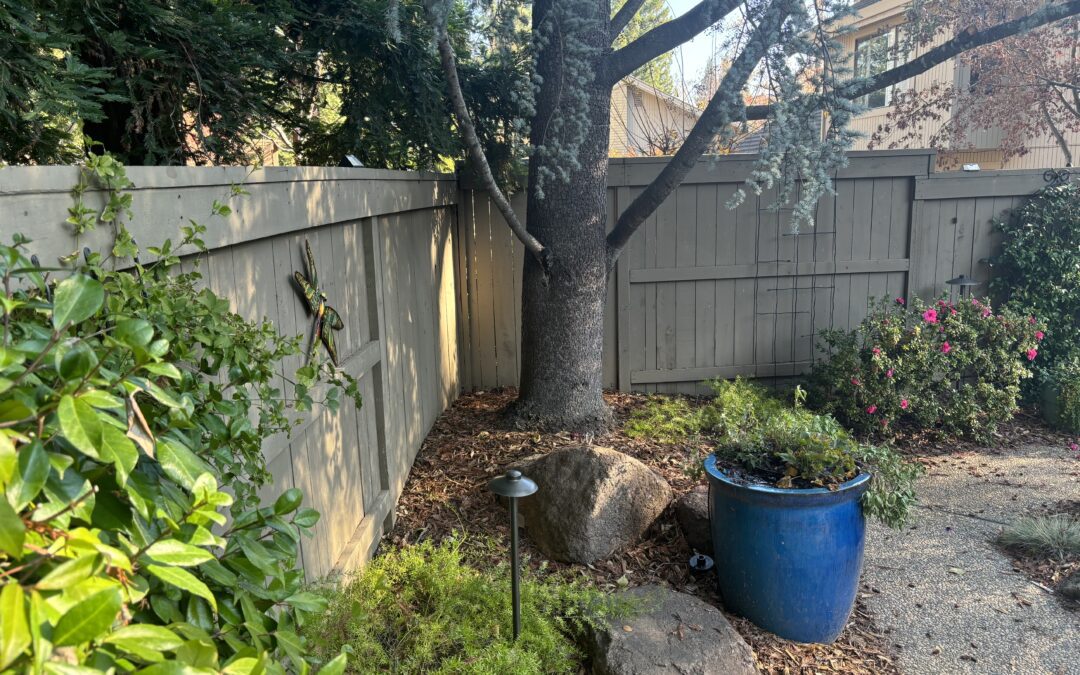
Weed problems usually start long before weeds show up. In a lot of Sacramento yards, the real issue is not just weed growth itself. It is the way the landscape was put together in the first place.
When a yard has too much exposed soil, weak bed lines, thin material coverage, poor plant spacing, or areas that feel unfinished, weeds are going to find those openings fast. Pulling them or spraying them may help for the moment, but if the landscape is not installed the right way, the problem keeps coming back.
That is why proper landscape installation matters. A well-built yard does more than improve the look of the property. It also helps control weeds by reducing the conditions that allow them to spread.
Weeds Take Hold Where the Yard Feels Incomplete
One of the biggest reasons weeds become a constant problem is because the yard has too many exposed or underplanned areas. Open dirt, patchy mulch, thin rock coverage, and large gaps between plants all create room for weed growth.
A properly installed landscape closes those gaps. It gives the yard stronger structure, better coverage, and fewer opportunities for weeds to take over. That does not mean weeds can never appear, but it does mean the yard is not working against itself.
Ground Cover Plays a Big Role
One of the first things proper installation addresses is ground cover. Mulch, decorative rock, and other surface materials do more than finish the look of a planting bed. They help block light, protect soil, and reduce the amount of bare ground where weeds can start.
In Sacramento, where exposed planting areas can dry out quickly and still attract weed growth, this makes a real difference. A yard with consistent, well-installed material coverage is easier to keep under control than one with thin or uneven coverage.
Defined Bed Lines Help Keep Things Cleaner
Strong bed lines are another part of good installation that people often overlook. When there is a clear separation between lawn, planting areas, pathways, and rock or mulch sections, the whole yard stays more organized.
That matters for weed control because loose transitions and messy edges make it easier for weeds to spread from one part of the yard into another. Defined bed lines help keep materials in place and make the landscape easier to manage over time.
Plant Spacing Matters More Than People Think
A planting layout that is too sparse often creates long-term weed problems. When there is too much open space between plants, weeds move in quickly and start filling the gaps.
A proper installation looks at how plant material will grow in, how much ground needs to be covered, and how to make the space feel complete without overcrowding it. The right plant spacing helps reduce open soil and gives the yard a fuller, more established look.
For Sacramento properties, this also helps the yard hold up better through the season without constantly looking patchy or unfinished.
Empty Space Usually Turns Into Problem Space
Unused corners, random open beds, and awkward sections of yard often become weed zones when there is no clear plan for them. A lot of weed issues come from areas that were never really finished or built out properly.
Good installation solves that by giving those spaces a purpose. That might mean planting, rock coverage, mulch, boulders, pathways, or another design feature that makes the space feel intentional. When an area is built out the right way, it is much less likely to become a place where weeds take over.
Irrigation Setup Can Affect Weed Growth Too
Weed problems are not only about soil and materials. Irrigation can play a role too. If water is overspraying into open bed areas, hitting places it should not, or feeding too much exposed ground, weed growth gets worse.
A proper landscape installation takes irrigation into account so the plants that are meant to be there get supported without encouraging unnecessary growth in the wrong areas. This is another reason why weed control starts with how the yard is built, not just how it is maintained afterward.
Better Installation Means Less Constant Correction
No landscape is completely maintenance free, but a properly installed yard usually needs less constant correction. It stays cleaner, the materials hold their place better, the planting feels more complete, and there are fewer weak spots for weeds to move in.
That is a big difference between a yard that was thought through and one that was pieced together over time. Good installation creates a stronger foundation, and that foundation helps the yard hold up better.
Why This Matters in Sacramento
In Sacramento, weeds can show up quickly when the yard is not covered or laid out well. Warm weather, open ground, and seasonal growth patterns can all make weed problems more noticeable if the landscape has too many exposed areas.
That is why installation quality matters so much here. A landscape that is planned and built with the right materials, spacing, and layout has a much better chance of staying cleaner and easier to manage.
Final Thoughts
Weed control starts with the way the yard is installed. Strong ground cover, clear bed lines, better plant spacing, finished transitions, and a complete layout all help reduce the conditions that let weeds spread.
At Bush Landscaping, we believe the best outdoor spaces are built to hold up over time. That includes how the yard looks, how the materials come together, and how well the space stays under control after the work is done. A properly installed landscape does not just look better at the start. It stays stronger long after the project is finished.